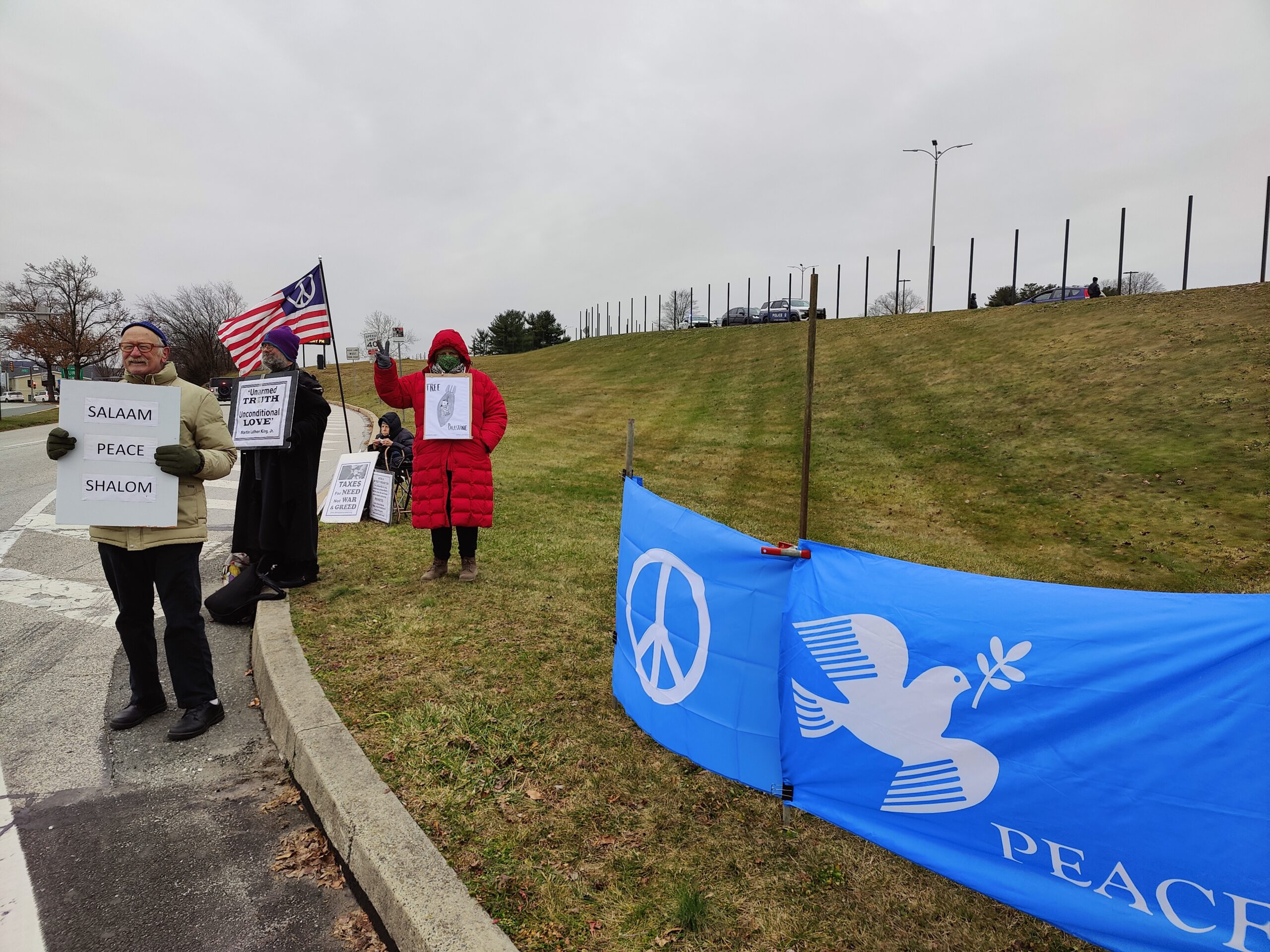
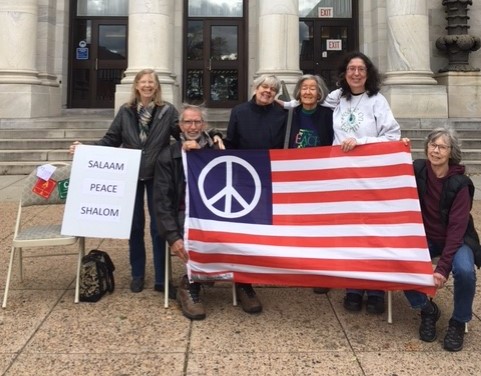
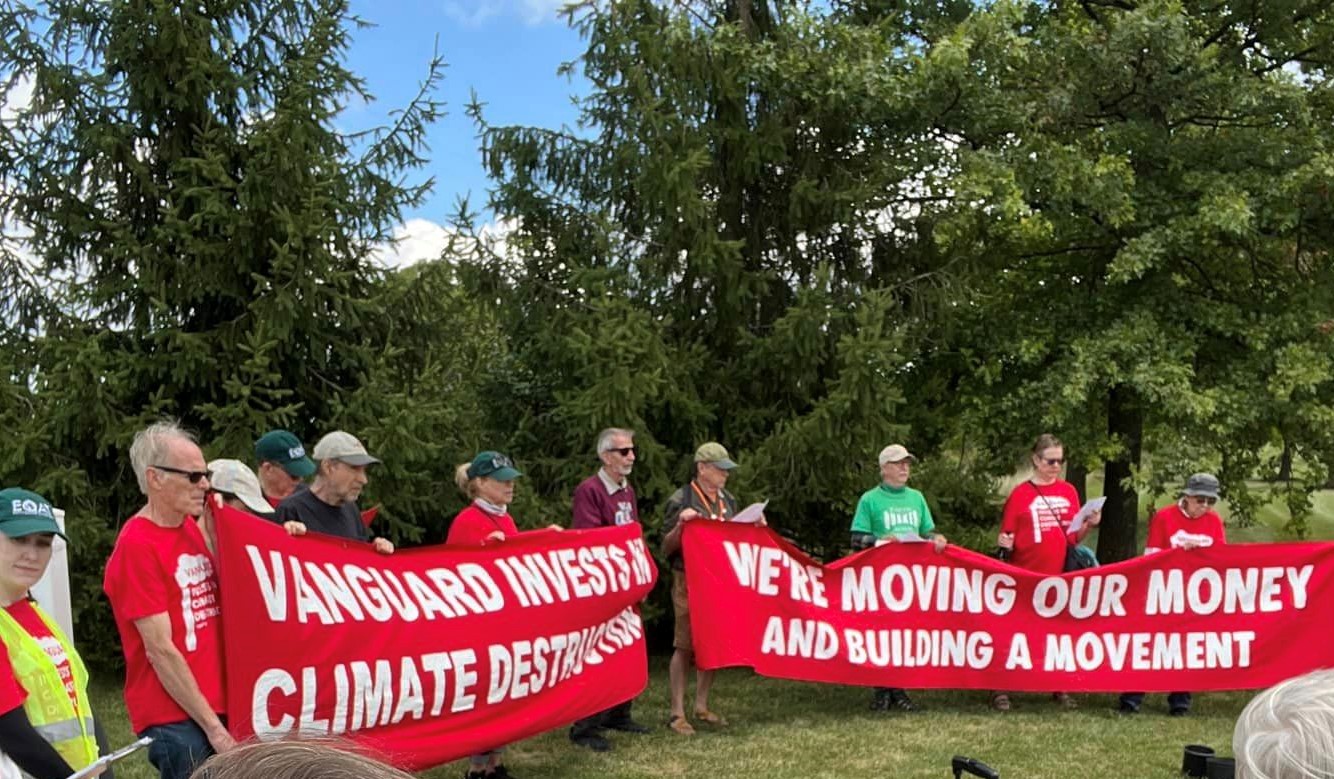
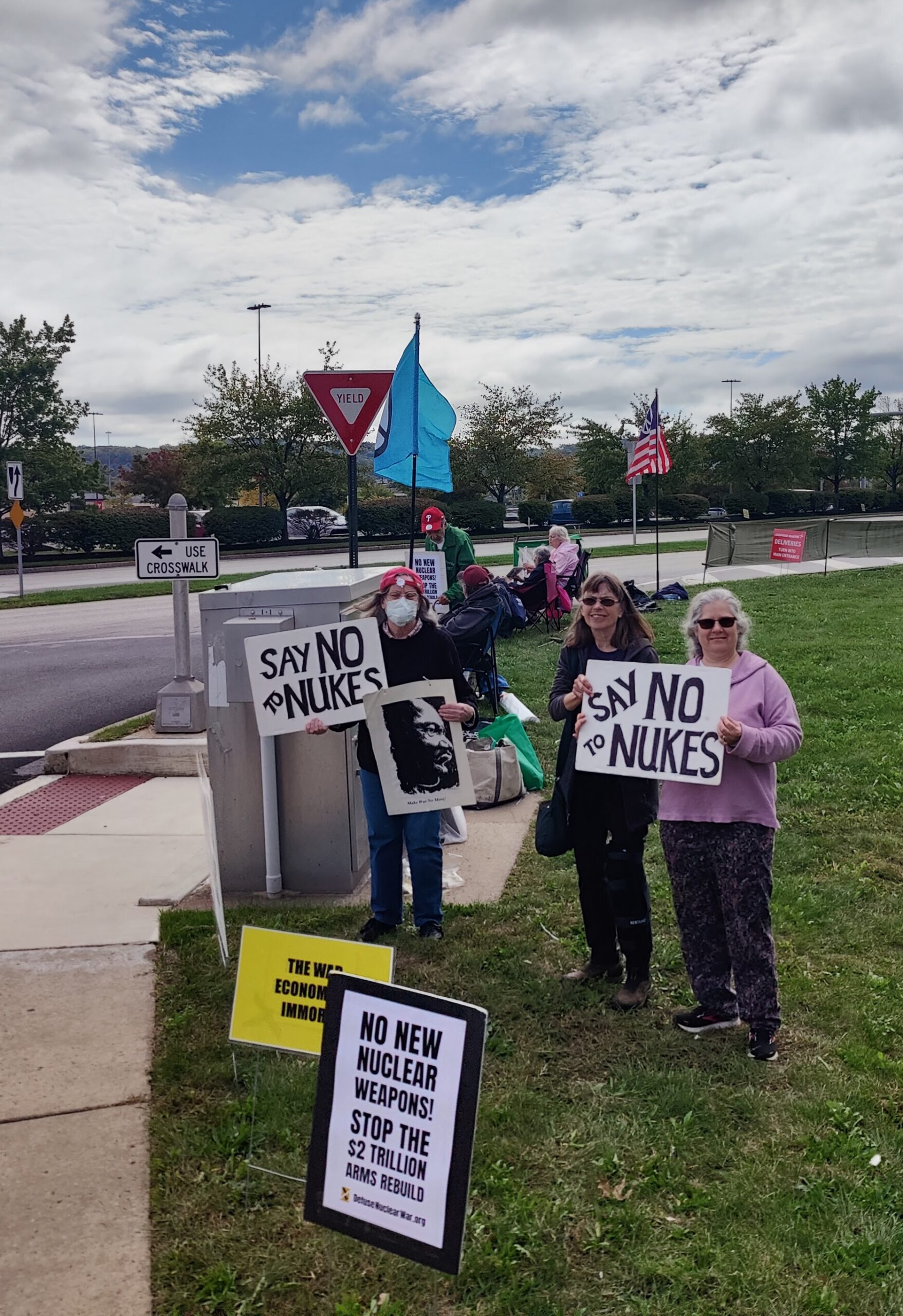
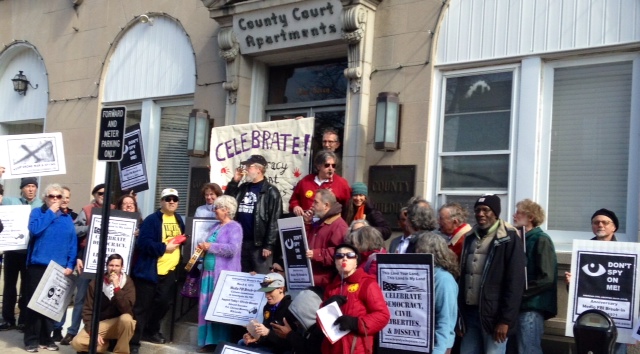
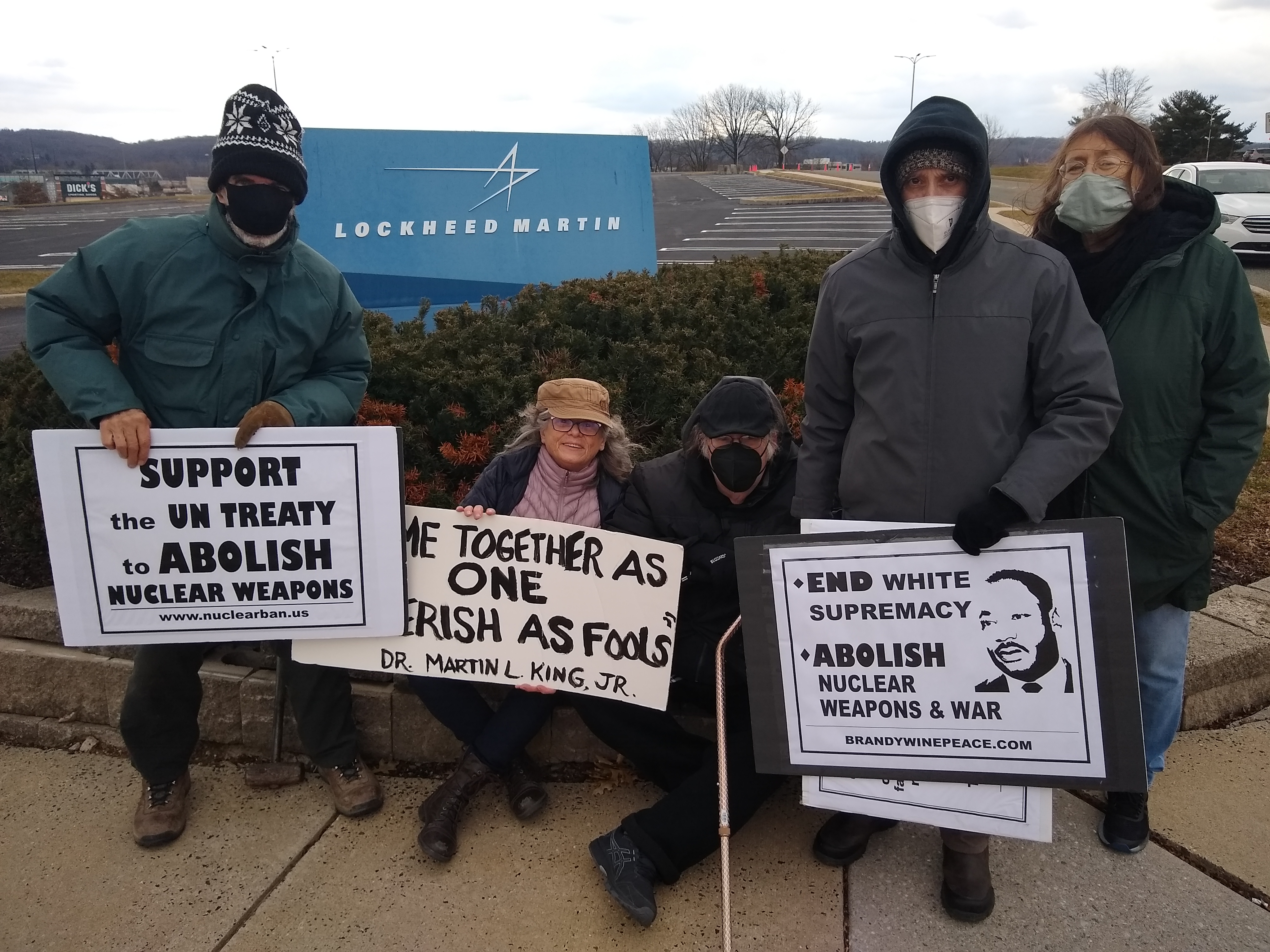
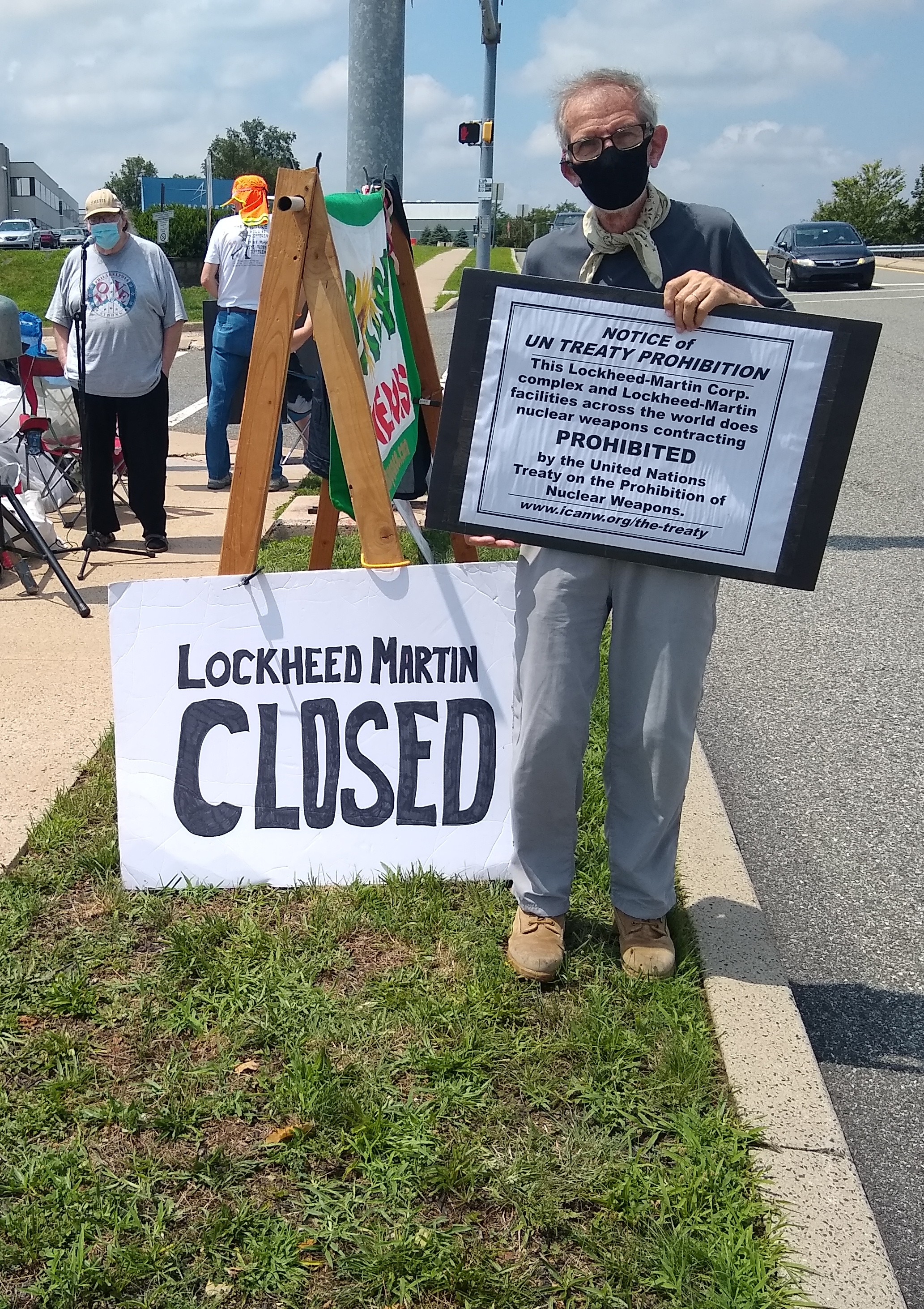
I was at the annual PYM Peace Picnic recently and spoke with two WWII veterans (Neil Hartman & Warren Sawyer) – pacifist COs in medical experiments intentionally infected with hepatitis by injection or by drinking fecal water. My friend Russ Tuttle wore lice underwear in typhus tests. These are my heroes…they saved many lives. (more…)
July 19, 2010
June 25, 2010
I am a co-complainant to the U.N. Human Rights Council
I am a signatory and co-complainant in a formal complaint to the United Nations. We are waiting to receive a full response. (more…)
June 22, 2010
Supreme Court says counseling Peace to terrorist groups aids terrorism.
The NYTimes today reported on the Supreme Court’s decision that advising about peaceful or humane alternatives with groups that the State Department has designated as terrorist is the equivalent of aiding and abetting the enemy. I guess the U.S. follows the “shoot first, talk later” approach – oops, we can’t be doing that, that’s terrorist. So what IS the Supreme Court thinking?
One of my NYTimes Comments in response to their articles was the following: (more…)
March 20, 2010
Historians’ fact sheet about atomic bombing of Japan.
At the time of the public exhibit of the Enola Gay (the plane that dropped the atomic bomb on Hiroshima), a substantial number of respected historians sent a letter to the Secretary of the Smithsonian Institution objecting to the bias inherent in the exhibit. Their letter is one of the best statements of some historical facts (see their reference list) that support that there was no military rationale for using atomic weapons on Japan. Please read the letter (click the Comment) and evaluate the situation for yourself, in light of this informaton.
January 26, 2010
How Quakers Can “Support the Troops” Friends Journal
I submitted the following in response to an article in Friends Journal (February, 2010) asking how can we support the troops without also supporting the war. (more…)
November 3, 2009
Conscientious Objectors, Truman, and true bravery.
May 17, 1948
“I’ll admit that it is rather difficult for me to look upon a conscientious objector with patience…While your four sons and my three nephews were risking their lives to save our government, and the things for which we stand, these people were virtually shooting them in the back. I ran across one conscientious objector (Desmond Doss) that I really believe is all man…I decorated him with a Congressional Medal of Honor….the majority with whom I came in contact were just plain cowards and shirkers.”
(from Eleanor and Harry, The Correspondence. 2002)
This letter was addressed to Eleanor Roosevelt in response to her request that he reconsider pardons for COs. Letter was saved but not sent, and he later mailed Eleanor a copy of the Attorney General’s statement regarding the report in question, including a personal note that there would be no review because the report was complete and he approved it
Doss was generally reviled during most of his military service as a medic because of his religious conscientious objection to killing. Even though there is absolutely no evidence that he ever failed to pursue his duties, he was generally considered cowardly simply on the basis of his anti-war beliefs. When he happened to be assigned a position of great danger and responded bravely, he became the public “exception.” Had his assignments kept him shipboard, he would surely have remained one of Truman’s assumed cowards.
It could be said that to hold to your principles when the world is against you is what requires the greatest bravery.
October 8, 2009
Pacifist Realism and Pacifism
Pacifist Realism holds that unless there is radical change in our understanding of, and dependence on, war in our modern technologically-advanced world, there will be wars of ever increasing severity, resulting in our eventual extinction. Pacifism is a conscientious and practical response to this threat. Removing this threat of suffering and extinction does not require that the world become pacifistic, but realistic pacifism can lead the way toward the consideration and adoption of other more accessible methods of establishing peaceful relationships.
Pacifism is the refusal, for reasons of conscience, to participate in war.
October 6, 2009
My response to The R.O.T.C. Dilemma (New York Times 10/26/09)
The following is a copy of my post on the Times website in response to R.O.T.C. Dilemma:
This article is heavily biased and in some cases badly misinformed. Please go back to some original sources of the period (not other newspaper articles). Most significantly, R.O.T.C. was never “banned” on most campuses in the 60’s. The requirement was that if R.O.T.C. was to give grades and academic credit, it must function under the academic regulations that applied to all the other academic programs of the University. Their alternative was to continue as they had been doing, but not for academic credit. This the military adamantly refused. They are a law unto themselves in higher education, and this is what we must question. My heartfelt concern is insuring educational integrity. Note that one cadet says “I have no personal opinion,” in response to a question about R.O.T.C., and the article’s author confirms that cadets are not free to express an opinion. Do we believe that this accords with the true purpose of a University education and is something we should encourage?
p.s. In my experience the folks I knew well in R.O.T.C. were fine individuals and had “chosen” to enter R.O.T.C. because they needed the scholarship money. Is this a good basis for a volunteer army? And what does it say about the value we place on education in this country?
August 15, 2009
Homesteading musings
I was looking at my dog-eared copies of Living the Good Life (Helen and Scott Nearing) and The Complete Homesteading Book. And thinking “what ifs.” I was doing this as a musing only, because we get one life to live and not multiples and we can’t go back anyhow. But nonetheless, “what if” Fran and I had met earlier, say in the early 70’s when we were each dissatisfied with current relationships? It’s an interesting mind game for us – who needs Sim City?
At some point we likely would have ended up homesteading like Helen and Scott Nearing, and probably in Vermont or Maine as they did. We might have even discussed our plans with them, as they welcomed visitors. Fran and I would have had much in common with how the Nearings had started out in homesteading decades before, and we would have learned much. They were of the pacifist PYM Quaker sort, war tax resisters (when they owed taxes), and he was forced out of his academic position at U. Penn in WWI because of his pacifist and socialist activities. During the depression they left their urban surroundings for a new lifestyle of subsistence farming. They were highly intelligent, well educated, and maintained some connections with their old friends via their reading and writing. They had no children (I’m assuming Fran and I would have had five children – our current ones) and worked very hard at the Vermont farm. Through dint of hard work and innovative farming techniques, they subsisted comparable to their more established neighbors. In their later years their books coincided with the spirit of the times, and they were feted by many and hated by many. White House invitations depended on who was in the White House. They willingly advised hippies attempting to homestead, but it is interesting that most of these attempts failed (cf. What the Trees Said- Life on a New Age Farm). The only folks I knew in this category bought a small farm near Exton at about the same period (early 70’s), and the couple had chickens (for eggs) and goats (particularly for milk for children sensitive to cows’ milk). After a while they hated the life, hated one another, and divorced and sold the farm to a developer for a large profit that enabled a new life for each of them (strange, how life turns out).
It is noteworthy that the Nearings maintained their intellectual and activist activities with the “outside” world, something that would be important to Fran and me. This distinguished them from (and sometimes antagonized) their traditional New England Republican neighbors of that period. However, they did not have independent money when they arrived (money is something that makes outsiders different and unacceptable – it is a “game” for the outsiders and survival for the natives). A constant worry for subsistence farmers is how they will survive in their old age. There is a great deal of serious poverty in rural Maine, particularly among the elderly. By the time they reached old age, Helen and Scott’s books had achieved such popularity that the royalties could support a conventional middle-class retirement. The right-wing criticized them for having electricity, flush toilets and oil heat in their retirement house, but do we really want folks in their 80’s and 90’s to be living without these things? The Nearings lived to be 91 and 100; it is no virtue that other Mainers sometimes meet their end in their 80’s by essentially freezing to death in their rustic farmhouses. The poverty there is rampant, the Nearings worked to change that, and I am grateful they did not need to die a pauper’s death.
So if the Nearings might have been a model for us, one question would be would we have homesteaded our entire lifetime? For Fran and me, I doubt it. We would have tried something else, not from a sense of failure or giving up on principles, but for the experience of life. Note that the Nearings started their Thoreau experience when Scott was in middle age and Helen a few years younger, and they already had a wealth of experience behind them. Fran and I would have started at a considerably younger age and anticipated a wealth of change and experience ahead of us. What would that “post-homesteading” life have been like for Fran and me? That is another “musing” story.
July 7, 2009
Robert McNamara is dead. What have we learned?
I once thought that Secretary of Defense McNamara was simply amoral, but after hearing him speak in the 90’s at Swarthmore, I know it’s something far worse. He recognizes Vietnam is a moral issue and “feels” for people’s loss and is “sorry” for what happened, but offers no apology for sending thousands to their death for what he knew was a lost and mistaken cause. See material below from the NYTimes obituary of July 7, 2009 and “The Fog of War” interviews of 2003.
“If we’re going to stay in there, if we’re going to go up the escalating chain, we’re going to have to educate the people, Mr. President.” (McNamara)
—————————————————————————————————-
Interviewer (from text of The Fog of War): When you talk about the responsibility for something like the Vietnam War, whose responsibility is it? McNamara: It’s the president’s responsibility (This sounds a lot like how we the victors self-righteously condemned the losers during our Nuremburg Trials. “Hitler did it all. I was just following orders.” Only McNamara is the Nazi.) Interviewer: After you left the Johnson administration, why didn’t you speak out against the Vietnam War? McNamara: I’m not going to say any more than I have. Interviewer: Do you feel in any way responsible for the War? Do you feel guilty? McNamara: I don’t want to go any further with this discussion. It just opens up more controversy.
———————————————————————————————————
Regarding the self-immolation of Norman Morison beneath the McNamara’s Pentagon Window:
McNamara: “He held a child in his arms, his daughter. Passersby shouted, ‘Save the child!” He threw the child out of his arms, and the child lived and is alive today. His wife issued a very moving statement: ‘Human beings must stop killing other human beings.’ And that’s a belief that I shared. I shared it then and I believe it even more strongly today.”
“Were those who issued the approval to use Agent Orange criminals? Were they committing a crime against humanity? Let’s look at the law. Now what kind of law do we have that says these chemicals are acceptable for use in war and these chemicals are not. We don’t have clear definitions of that kind. I never in the world would have authorized an illegal action. I’m not really sure I authorized Agent Orange? I don’t remember it?”
————————————————————————————————————————
“I’m very proud of my accomplishments, and I’m very sorry that in the process of accomplishing things, I’ve made errors.” “What makes it immoral if you lose and not immoral if you win?”